
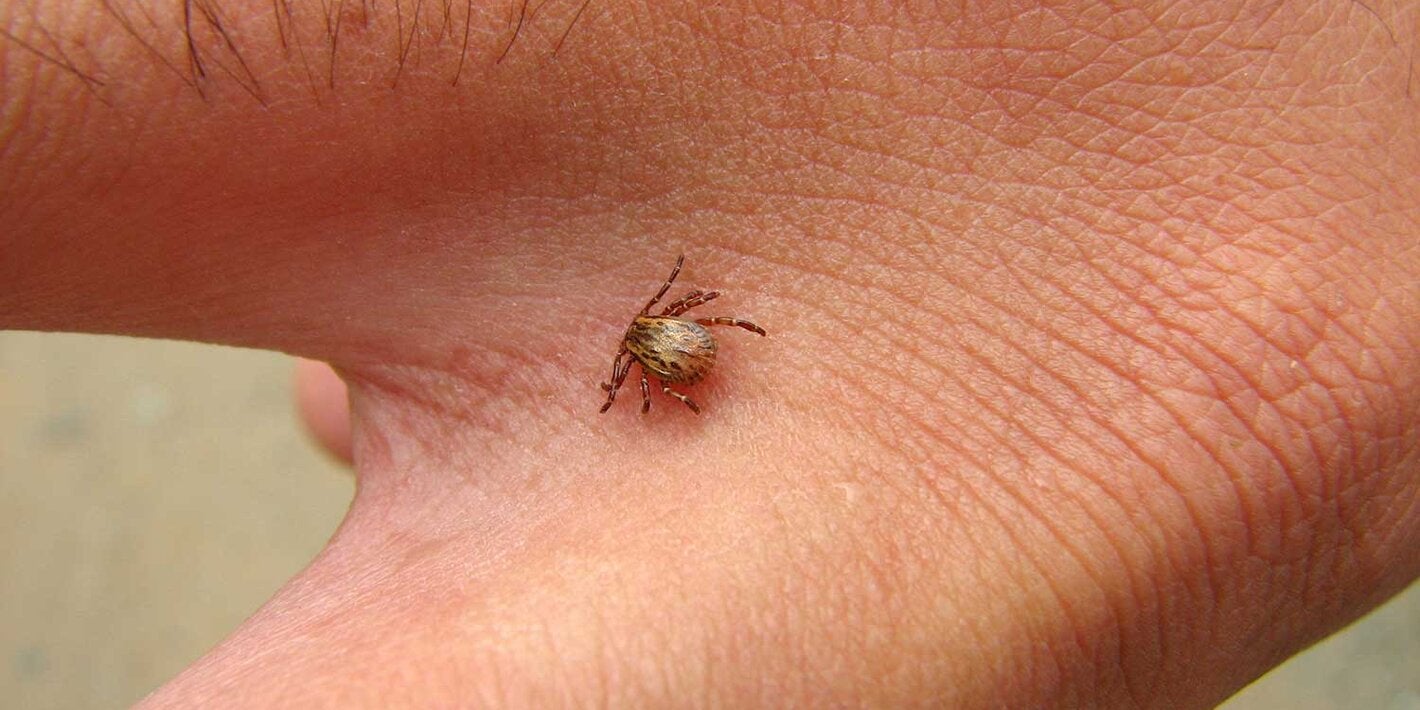
Top health experts call for stepped-up action on West Nile virus, dengue and other vector-borne diseases
Washington, D.C., 4 April 2014 (PAHO/WHO) —Roughly 50% of people living in the Western Hemisphere are at risk of one or more diseases carried by mosquitoes, ticks, flies and other vectors, including West Nile virus, dengue, malaria and most…
 Chile and Peru's…
 More than half the world's population is at…
 When Martha Alida Solórzano was first…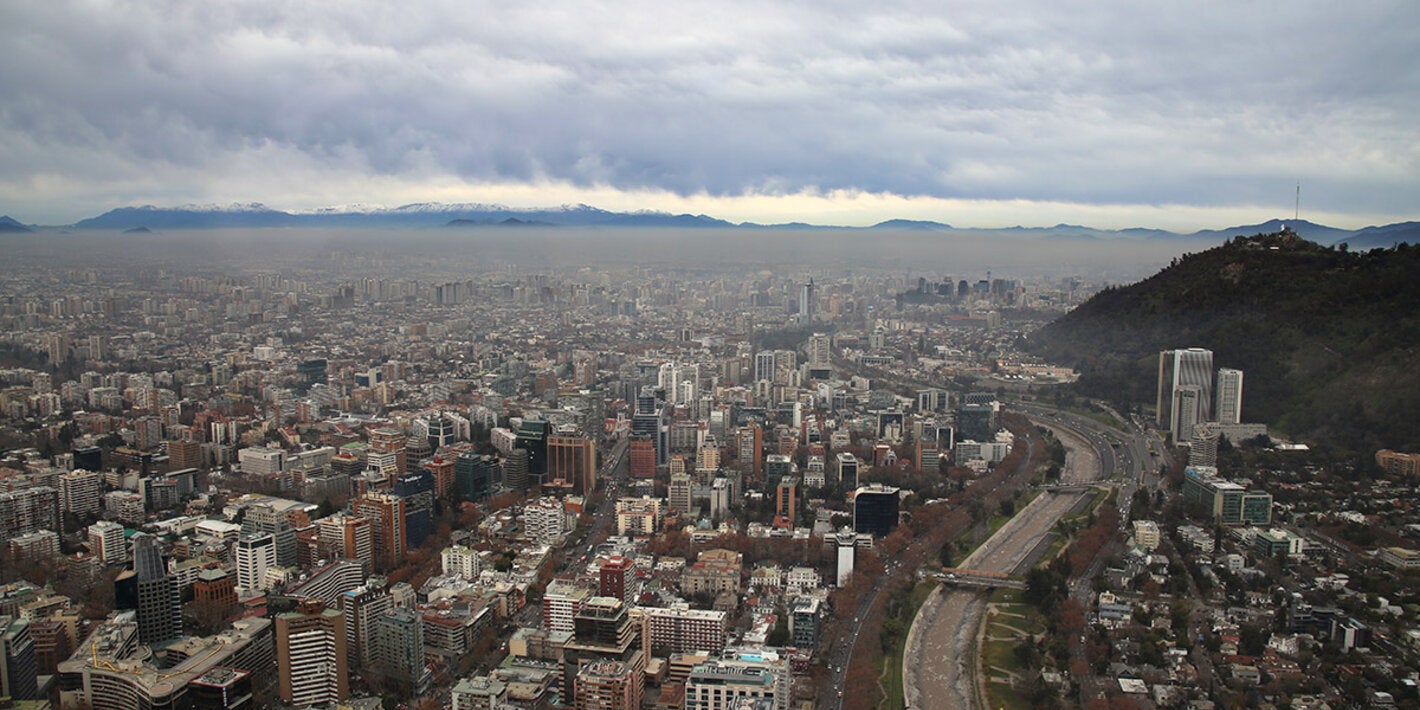
These new estimates from the World Health Organization (WHO) double previous estimates and confirm that air pollution is now the world's largest single environmental health risk. Reducing air pollution could save millions of lives.
GENEVA ¦ 25 March 2014 — In new estimates released today, the World Health Organization (WHO) reports that in 2012…
 Three and a half years into a cholera epidemic that has claimed more than 8,500 lives, Haiti has made significant progress in slowing the spread of the disease.…
The WHO Global Advisory Committee on Vaccine Safety reaffirmed the vaccine's safety
Washington, D.C., March 20, 2014 (PAHO/WHO) — Following its introduction in Brazil last week, the vaccine against human papillomavirus (HPV) is now available to more than 80% of adolescent girls in the Americas. The vaccine provides protection against the two…
 The Pan American…
Special issue of PAJPH highlights new knowledge and best practices for reducing health inequities
Washington, D.C., 19 March 2014 (PAHO/WHO) — The countries of the Americas have made concrete progress in reducing health inequities through action that addresses the social determinants of health. Examples of this work are featured in a special…